-
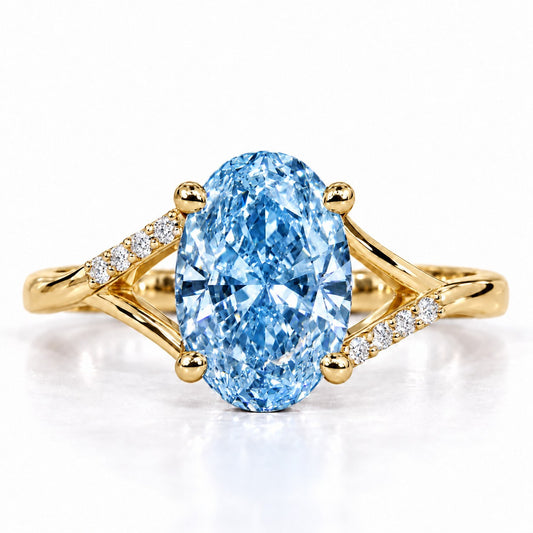
Blue Oval Cut Lab Grown Diamond Engagement Ring - Split Pave Shoulders
Regular price From $647.49Regular price -
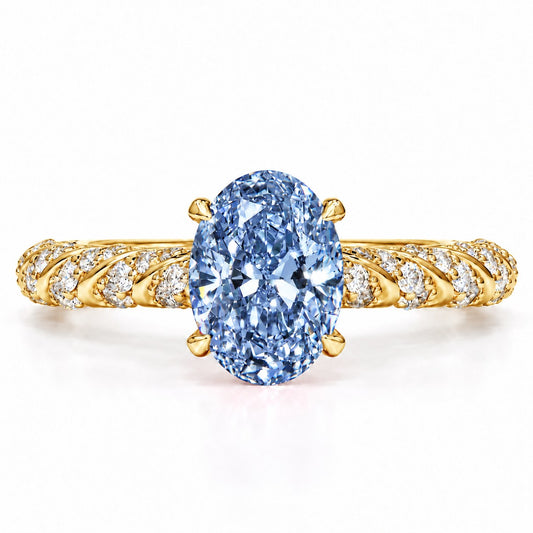
Blue Oval Cut Lab Grown Diamond Engagement Ring - Twisted Rope Band
Regular price From $647.49Regular price -
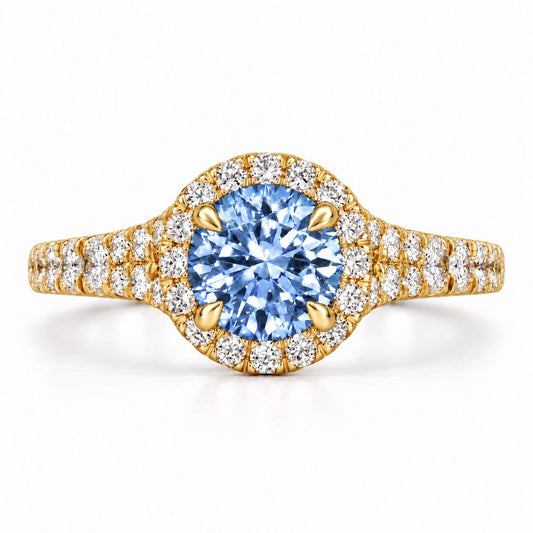
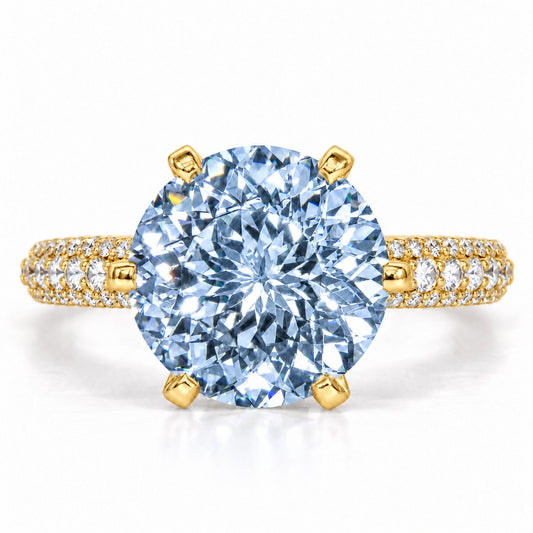
Blue Round Cut Lab Grown Diamond Engagement Ring - Halo Pave
Regular price From $647.49Regular price -
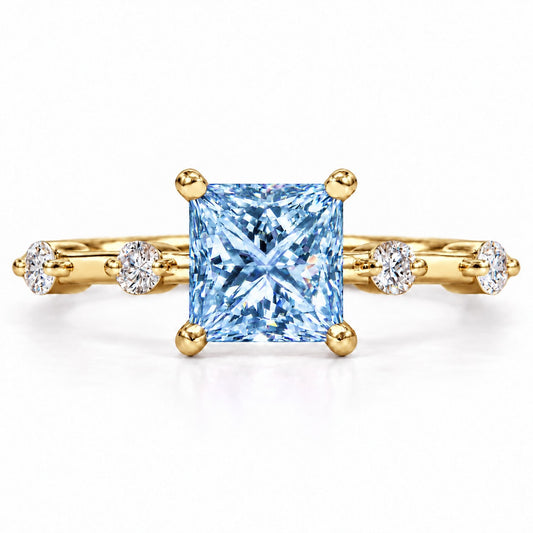
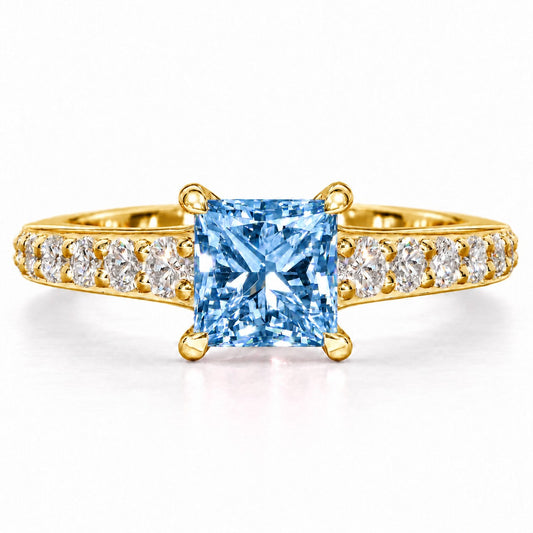
Blue Princess Cut Lab Grown Diamond Engagement Ring - Station Band
Regular price From $647.49Regular price -
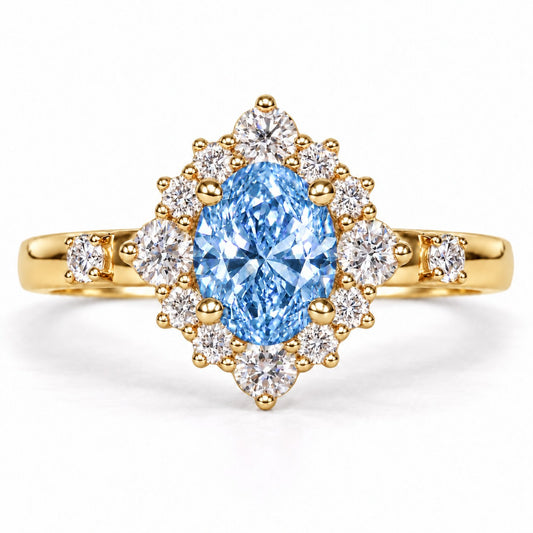
Blue Oval Cut Lab Grown Diamond Engagement Ring - Scalloped Halo
Regular price From $647.49Regular price -
Blue Princess Cut Lab Grown Diamond Engagement Ring - Pave Band
Regular price From $647.49Regular price -
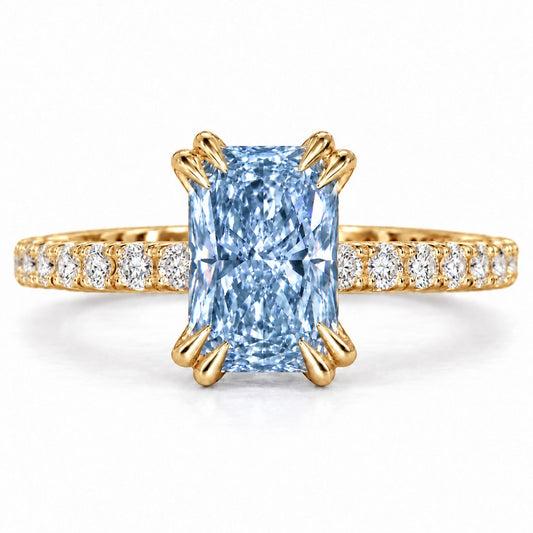
Blue Radiant Cut Lab Grown Diamond Engagement Ring - Cathedral Pave Band
Regular price From $647.49Regular price -
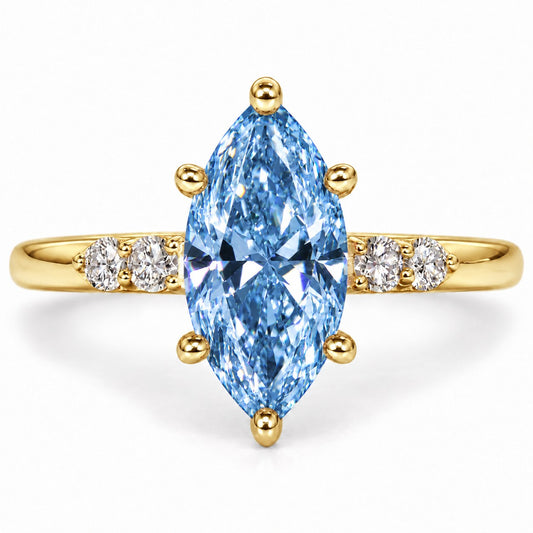
Blue Marquise Cut Lab Grown Diamond Engagement Ring - Round Accents
Regular price From $647.49Regular price -
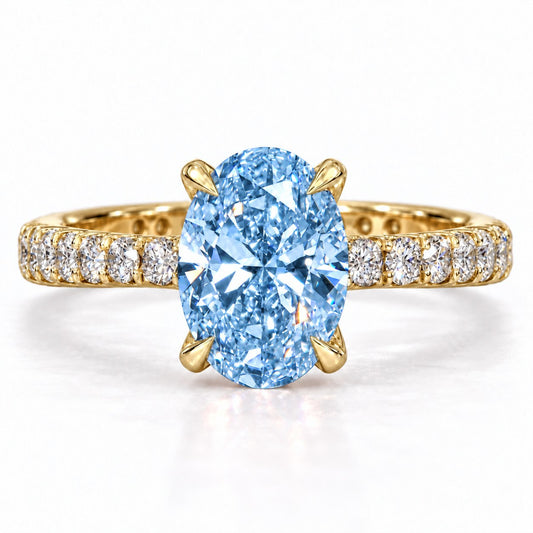
Blue Oval Cut Lab Grown Diamond Engagement Ring - Cathedral Pave Band
Regular price From $647.49Regular price -
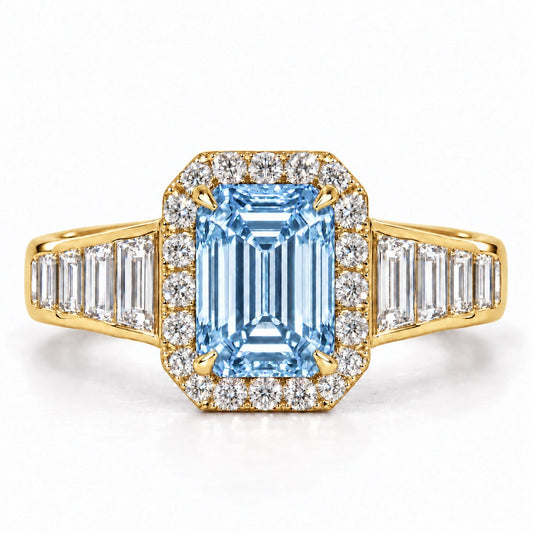
Blue Emerald Cut Lab Grown Diamond Engagement Ring - Halo and Baguette Shoulders
Regular price From $647.49Regular price -
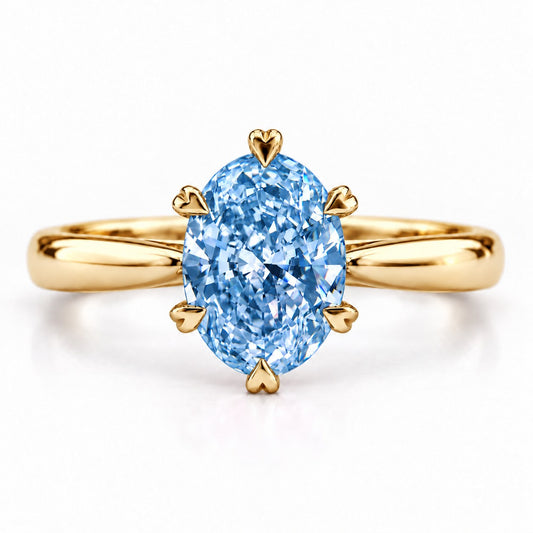
Blue Oval Cut Lab Grown Diamond Engagement Ring - Heart Prong Solitaire
Regular price From $647.49Regular price -
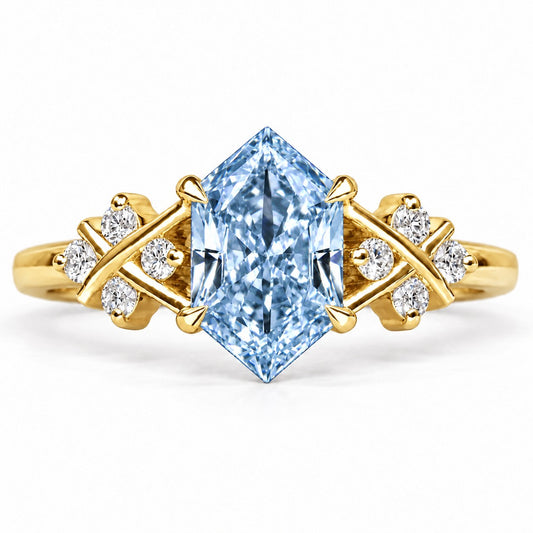
Blue Hexagon Cut Lab Grown Diamond Engagement Ring - Cluster Shoulders
Regular price From $647.49Regular price -
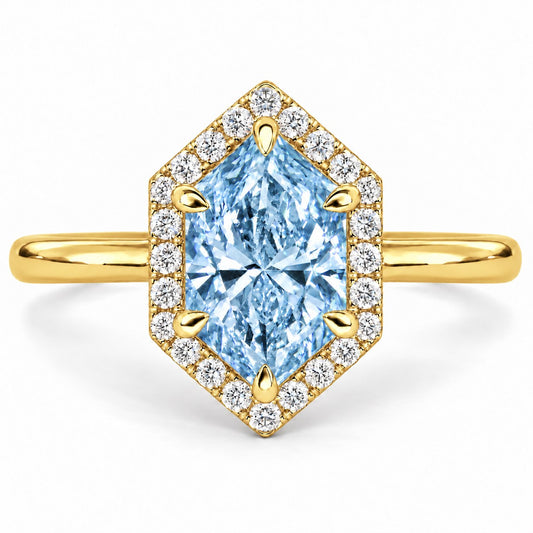
Blue Hexagon Cut Lab Grown Diamond Engagement Ring - Halo
Regular price From $647.49Regular price -
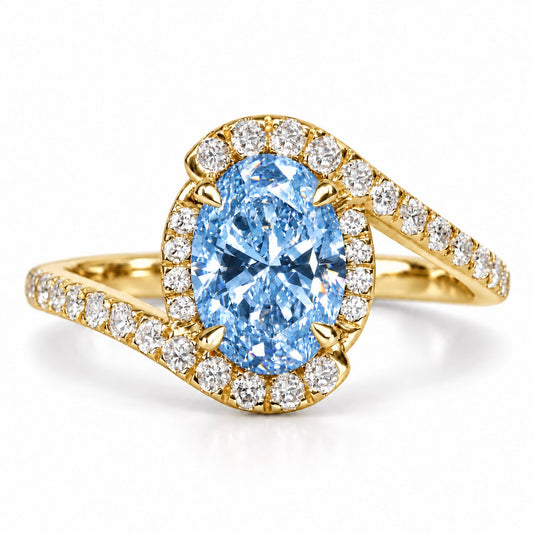
Blue Oval Cut Lab Grown Diamond Engagement Ring - Halo Bypass
Regular price From $647.49Regular price -
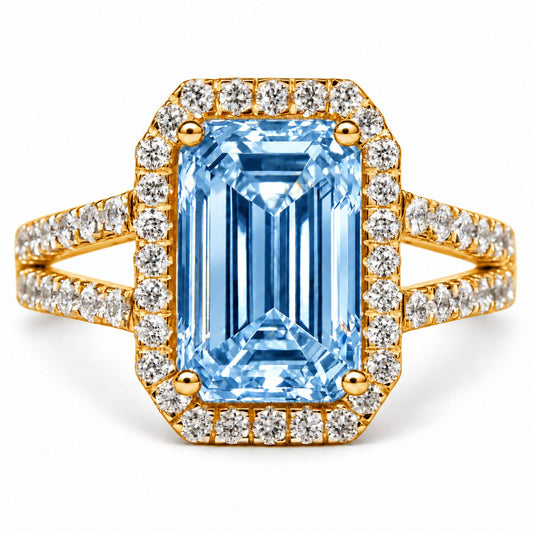
Blue Emerald Cut Lab Grown Diamond Engagement Ring - Halo Split Shank
Regular price From $647.49Regular price -
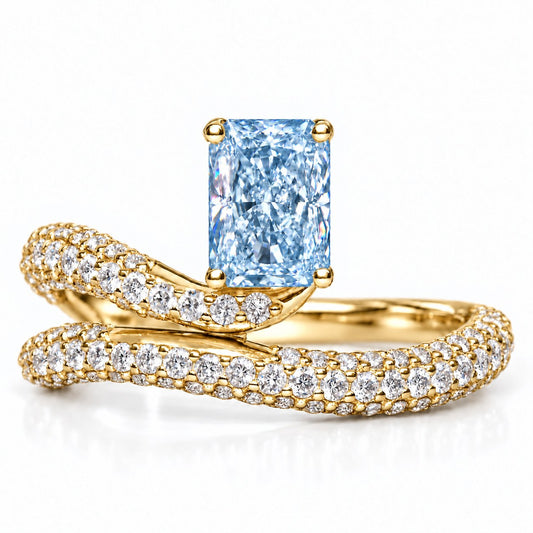
Blue Radiant Cut Lab Grown Diamond Engagement Ring - Pave Wrap Bypass
Regular price From $647.49Regular price -
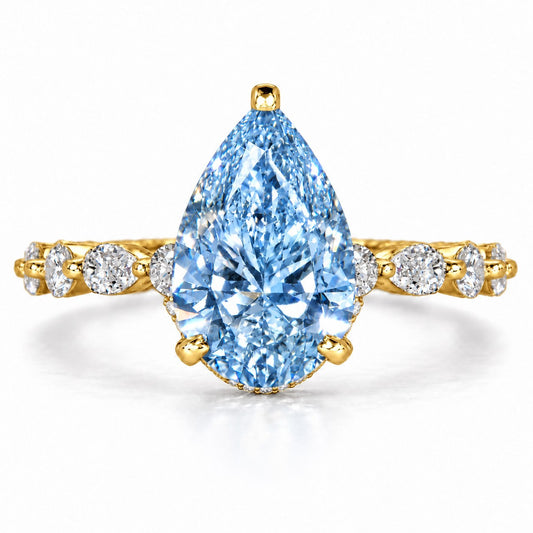
Blue Pear Cut Lab Grown Diamond Engagement Ring - Navette Band
Regular price From $647.49Regular price -
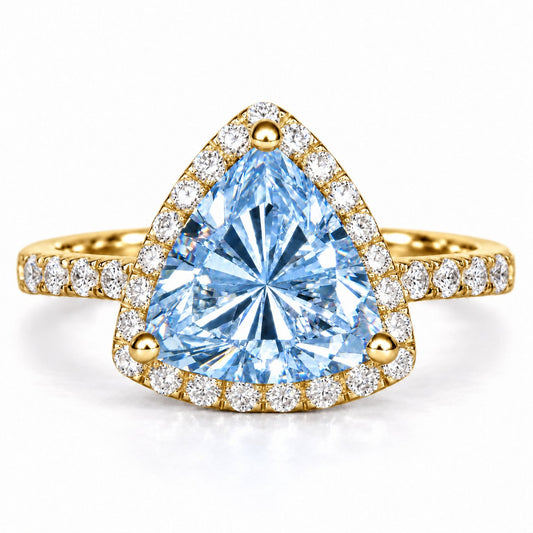
Blue Trillion Cut Lab Grown Diamond Engagement Ring - Halo
Regular price From $647.49Regular price -
Blue Round Cut Lab Grown Diamond Engagement Ring - Triple Row Pave
Regular price From $647.49Regular price -
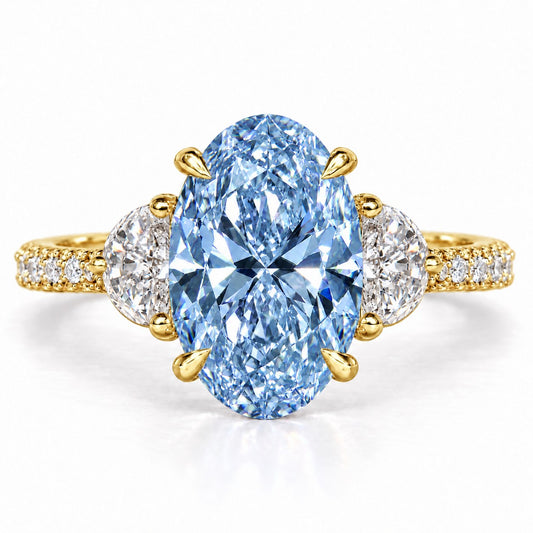
Blue Oval Cut Lab Grown Diamond Engagement Ring - Half Moon Pave
Regular price From $647.49Regular price -
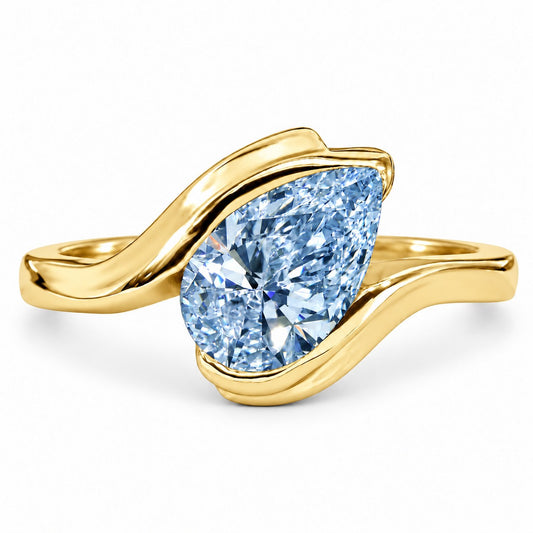
Blue Pear Cut Lab Grown Diamond Engagement Ring - Wrap Bypass Solitaire
Regular price From $647.49Regular price -
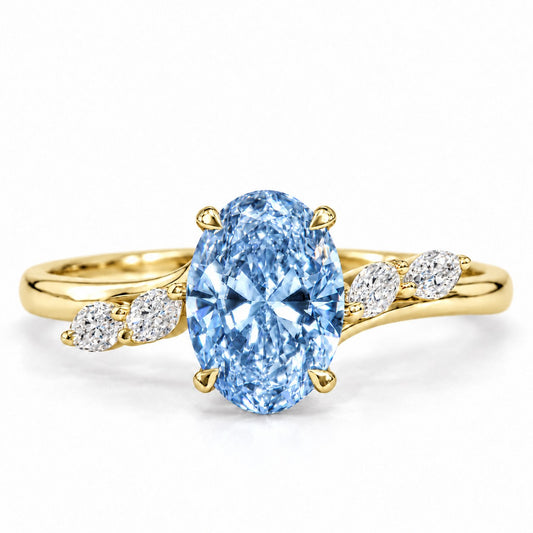
Blue Oval Cut Lab Grown Diamond Engagement Ring - Leaf Bypass
Regular price From $647.49Regular price -
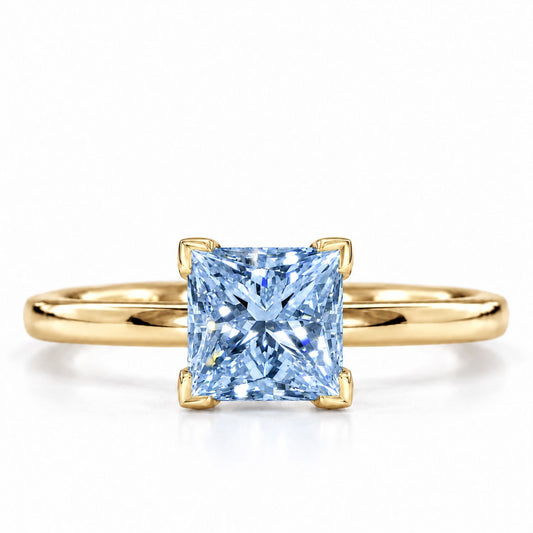
Blue Princess Cut Lab Grown Diamond Engagement Ring - Classic Solitaire
Regular price From $647.49Regular price -
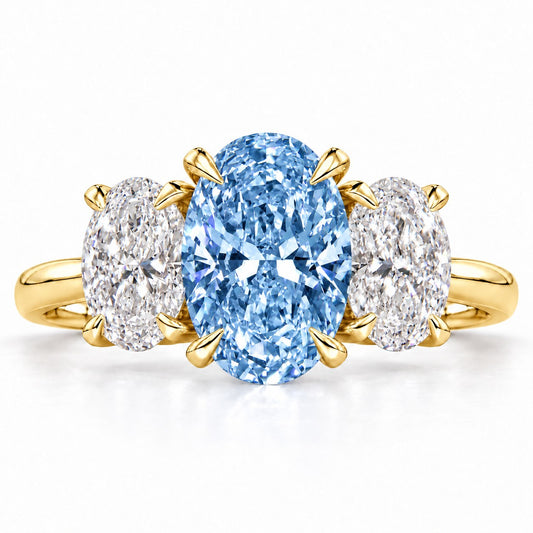
Blue Oval Cut Lab Grown Diamond Engagement Ring - Oval Three Stone
Regular price From $647.49Regular price
























Common Questions
Is a blue lab grown diamond a real diamond?
Yes. It is crystal carbon, 10 on the Mohs scale, exactly like a colourless diamond. The blue comes from a trace of boron inside the crystal, the same cause as in natural blue diamonds.
Will the blue fade or wear off?
No. Boron is part of the crystal, not a coating, so the colour is permanent in everyday wear and normal cleaning.
How does a blue diamond compare with a blue sapphire?
A sapphire is a different gem, corundum, with a hardness of 9 and a softer glow. A blue diamond is harder, brighter and flashes more light from its facets, so it looks like a sparkling blue rather than a deep, still blue.
What does Fancy Intense mean?
Fancy Intense is a saturation grade on the fancy colour scale, which runs from Faint and Very Light through Fancy Light and Fancy up to Fancy Intense and Fancy Vivid. Our centre stones are graded Fancy Intense, a strong, clearly visible colour that still shows plenty of sparkle.
Which metal looks best with a blue diamond?
White gold or platinum for a cool, classic look; yellow gold if you want the blue to look deeper through contrast; rose gold for the boldest pairing. Each product page shows all three tones.
Does the ring come with an IGI report?
Yes. The centre diamond comes with its own IGI grading report, which records the carat weight, colour grade, clarity, measurements, the growth method and any post-growth treatment. Every ring also comes with a Bhumi Gems certificate of authenticity stating the stone, carat and metal.
How long will my ring take to arrive?
Crafting takes about 8 to 10 business days. Free standard shipping then usually takes 8 to 20 business days, or 6 to 9 business days with express delivery ($24.99).
Can I return a coloured diamond ring?
Yes, within 30 days of delivery if it is unworn and in its original packaging. For a change of mind you pay the return shipping and a 10% restocking fee applies. Resized, engraved and custom pieces are final sale.